Winds Howling

Fetching latest activity...

"Henry IV: The Righteous King" by Ian Mortimer

#Books #English-Monarchs #History

I recently finished the latest book in my series of biographies about all the kings and queens of England. For the life of Henry IV, who ruled from 1399 to 1413, I picked “Henry IV: The Righteous King” by Ian Mortimer.

Book cover

This was one of the more interesting and unusual ones I’ve read so far. It’s told as the story of a basically virtuous and admirable guy whose reign is never quite allowed to flourish. He’s as promising a candidate for king as could be wished for, but he spends his 14 years as king running from one internal crisis to another until he finally expires.

Henry starts out as the richest young man in England, heir to the most powerful nobleman short of the king. He makes a name for himself with lots of knightly jousting, crusading with Teutonic Knights, and going on pilgrimage to Jerusalem. But he falls out badly with King Richard II — also a young man, the same age as him, but a bad, unpopular ruler lacking Henry’s steady, good-at-everything competence. Richard temporarily banishes Henry from England, then once he’s gone, he strips him of his inheritance and exiles him for good, leaving Henry with little choice but to risk it all in overthrowing Richard. He sneaks back home and starts making deals and amassing forces. He captures the panicking and ineffective Richard pretty easily and is swept to the throne in an ecstasy of popular support.

Then the gears shift. His reign is immediately swamped with internal revolts, whack-a-mole military campaigns against Scotland and Wales, and lots of annoying back and forth with Parliament. There were consecutive years of crop failure, feeding a rise in lawlessness and disorder throughout the country. All his energy was needed just to keep his head above water. As king he accomplishes virtually nothing of consequence.

Henry’s reign withered away along with his health, and his son, the future King Henry V, increasingly took charge. His main health problem seems to have been some sort of “skin ailment,” which flared up with a “burning” sensation in 1405 and may have been present decades earlier. It developed into a “wasting disease” that basically left Henry a zombified corpse, or so Mortimer makes it seem. Quoting a well-informed medieval Welshman, he writes:

Henry suffered ‘an infection’ which resulted in ‘festering of the flesh, dehydration of the eyes, and rupture of the internal organs’. … In this ‘festering of the flesh’ it would appear likely that Henry’s skin disease had grown progressively worse, from his burning skin … to a more general degradation of his lower body. … He was an invalid, dependent on others and in agony as his lower body, quite simply, rotted away beneath him.

Read more →

Walking downtown Mount Clemens

#Michigan #Metro-Detroit #Walking

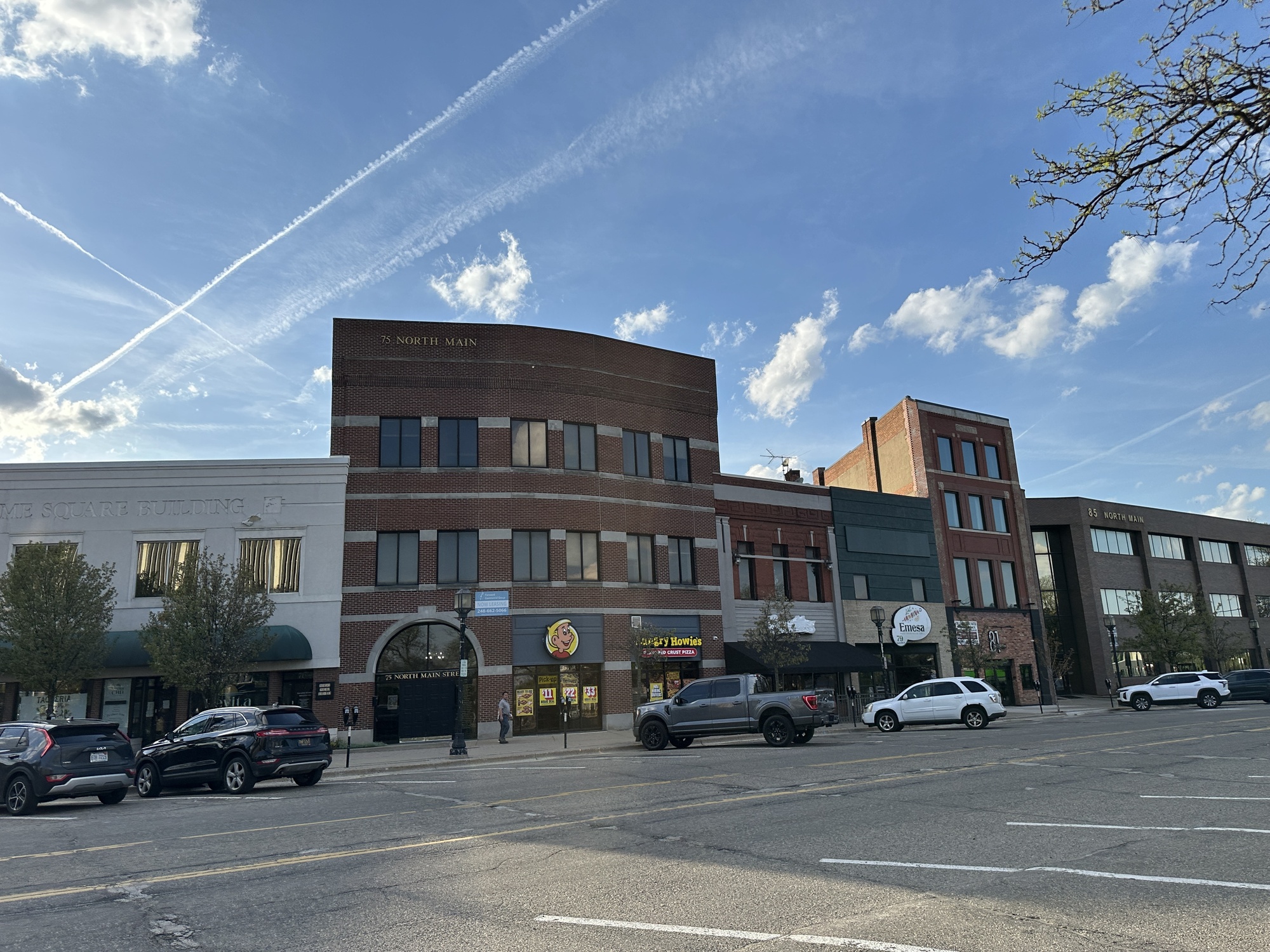
Cam and I recently took a walk through downtown Mount Clemens, a walkable zone at the edge of the otherwise suburban and rural Macomb County.

Despite being the main Walkable Downtown near us, we’ve only ever been here a couple of times, briefly. Nothing’s drawn us in; instead we go to other, farther downtowns like Royal Oak or downtown Detroit itself. I’ve come for the used book store, the Beatles-themed river bar, but never came away with much impression or appreciation of the city itself. I started to feel like this was a problem after coming across that “Clinton River Chronicles” movie, which had a lot about Mount Clemens. It’s situated at the mouth of the area’s biggest river, it’s the county seat, and for the last three years we’ve lived in a town that surrounds it on three sides. So I figured it was time to walk around in Mount Clemens.

We parked in a public lot outside the Three Blind Mice Irish Pub, in what seemed to be the north end of downtown. I plotted a 2.95-mile route that took us south into downtown, then veered east into a residential neighborhood, arrived at a riverside park, crossed a bridge over a manmade “spillway,” then over another bridge and straight back north again.

Walk map

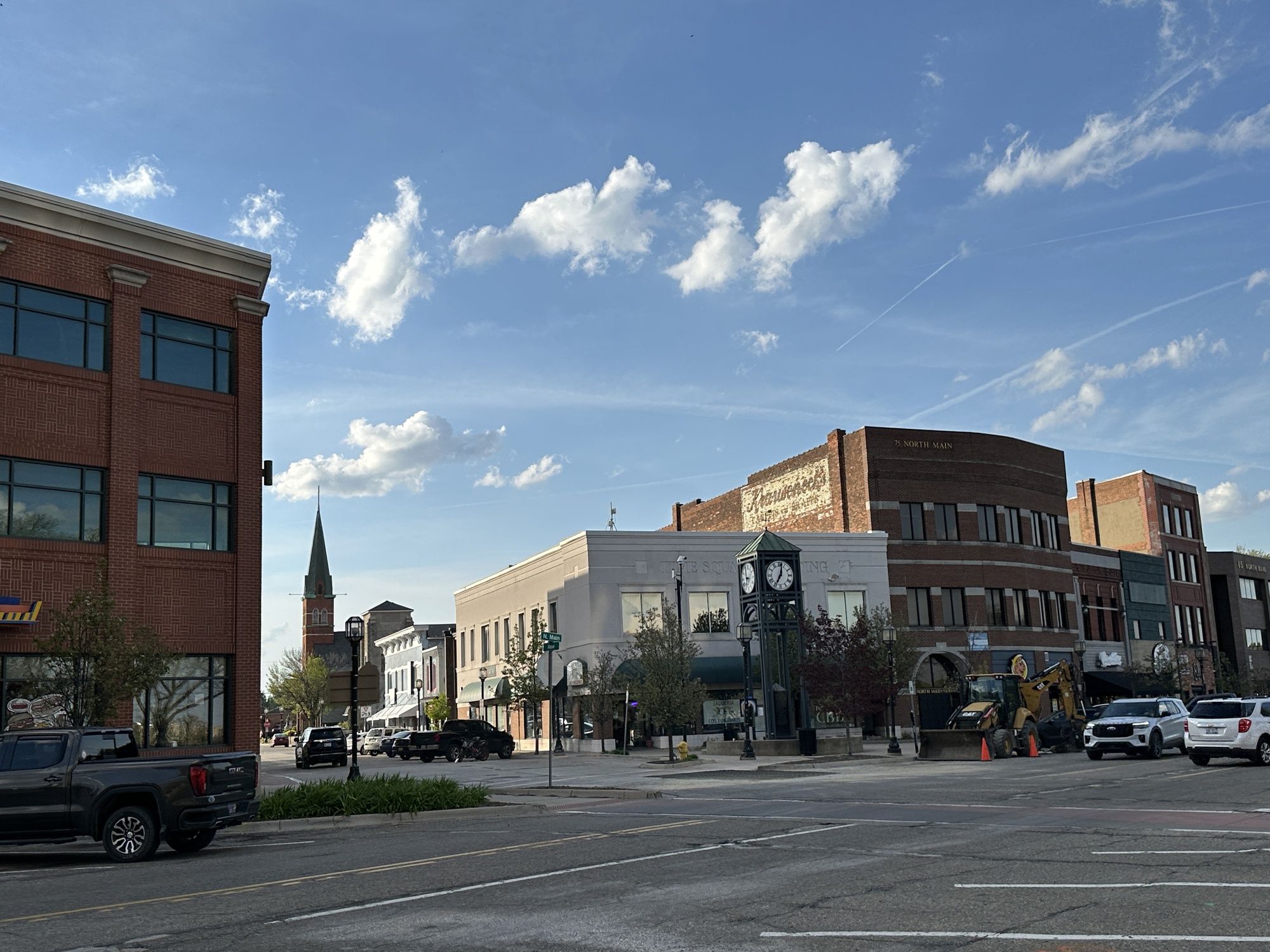
Here’s one of our first views of downtown, at the intersection of New and Main. This area felt like a real mixture of different eras of development.

New and Main

New and Main

Read more →

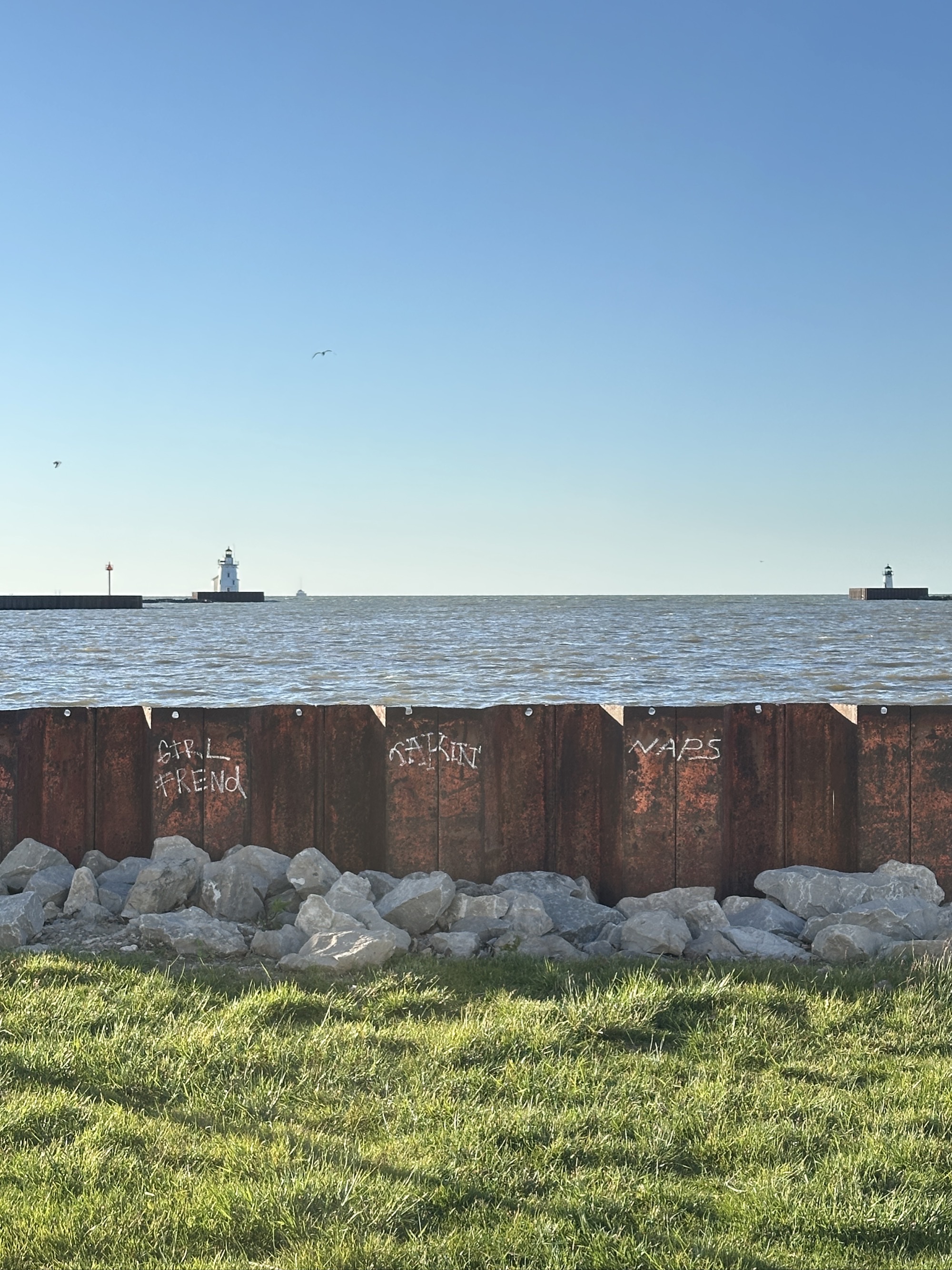
Lighthouses in Cleveland, Ohio

Interesting inclined park in Cleveland


Clinton River Chronicles

#Michigan #Metro-Detroit

I recently got my hands on a copy of “The Clinton River Chronicles,” an obscure local history movie from 1995. It’s all about the Clinton River, one of the main bodies of water where I live in southeast Michigan. The town I live in shares its name, and most of the good trails and parks are along its banks.

In response to Michigan’s governor declaring 1995 as “the Year of the River,” a whole gang of local officials were enlisted to stand in front of a camera and awkwardly but charmingly outline this river’s history. It’s cheesy and goofy in all the ways you’d expect it to be (and more) but it genuinely sucked me in, at least as someone already inclined to be interested. They pack a ton of stuff into this hour, covering the river from just about every angle: early settlements, cycles of industry, fish populations, property values, pollution, the importance of bridges and the politics of water treatment plants. Some particularly interesting sections were about the boom and bust of the “mineral bath” era, the river’s “cesspool” status by the 1960s and subsequent clean-up, and the miserable annual flooding of a black neighborhood, finally fixed by the creation of a “spillway” that posed environmental issues of its own.

The movie doesn’t seem to have made the leap to the internet, so I uploaded it to YouTube and fully transcribed it for ease of access and research.

It was directed by one David M. DuBay, whose archived website shows him to have made a variety of films for local governments, a handful of “erotica” movies (writer and director of “Sexwaves,” in which a “brain transfer does job on housewife’s sex drive”), among other projects. He now appears to be a realtor.

One grim aside: District Court Judge James Scandirito appears in the film to discuss John Hacker, a master boatbuilder who set up shop along the Clinton River. In 2018, parts of Scandirito’s body were unearthed at a golf course in Florida. His son was charged with murder but ultimately convicted only of dismembering the body and burying it. He was sentenced to 15 years in prison.

Anyway, back to the movie. Here’s the full transcript.

Secretary of State Candice Miller: Earlier this year, Governor Engler signed an executive declaration observing 1995 as the Michigan Year of the River. As Michigan Secretary of State and as a resident living on the banks of the Clinton River, I joined the governor in encouraging the citizens of the Great Lakes State to recognize the vital role that rivers play in the overall quality of our lives. The documentary that you are about to see explores the lives and times along one of the major rivers in southeastern Michigan. The Clinton River touches 56 communities. It is a critical habitat for all kinds of plants and wildlife in addition to providing recreation and natural beauty to our citizens. I hope that you will enjoy its rich and colorful history. Perhaps the appreciation of this natural treasure will instill a renewed river ethic to help preserve and protect it for future generations.

Read more →

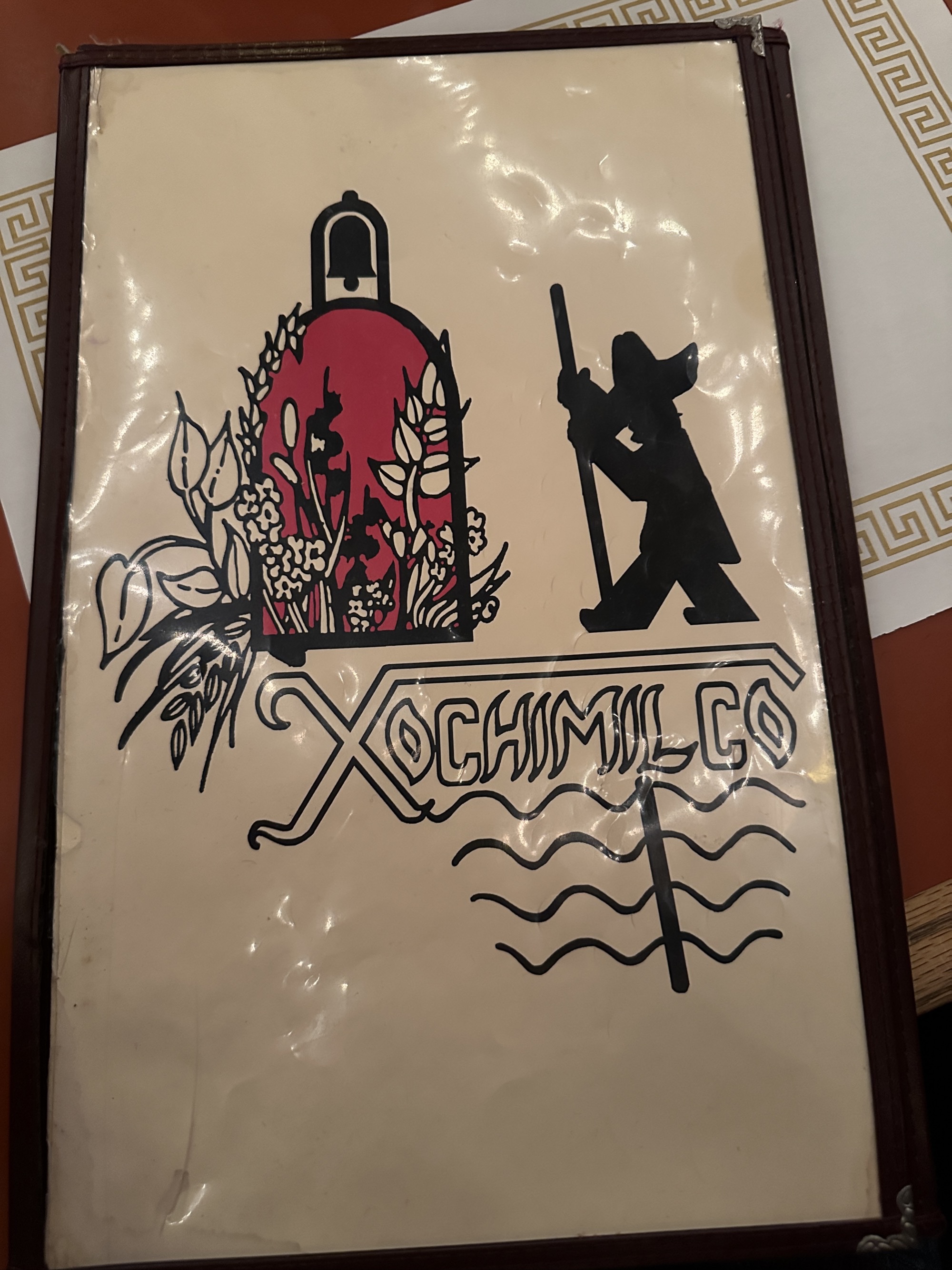
Great restaurant menu cover, in Mexicantown, Detroit

This dog nosed its way into the exam room to keep me company while I wait for the optometrist

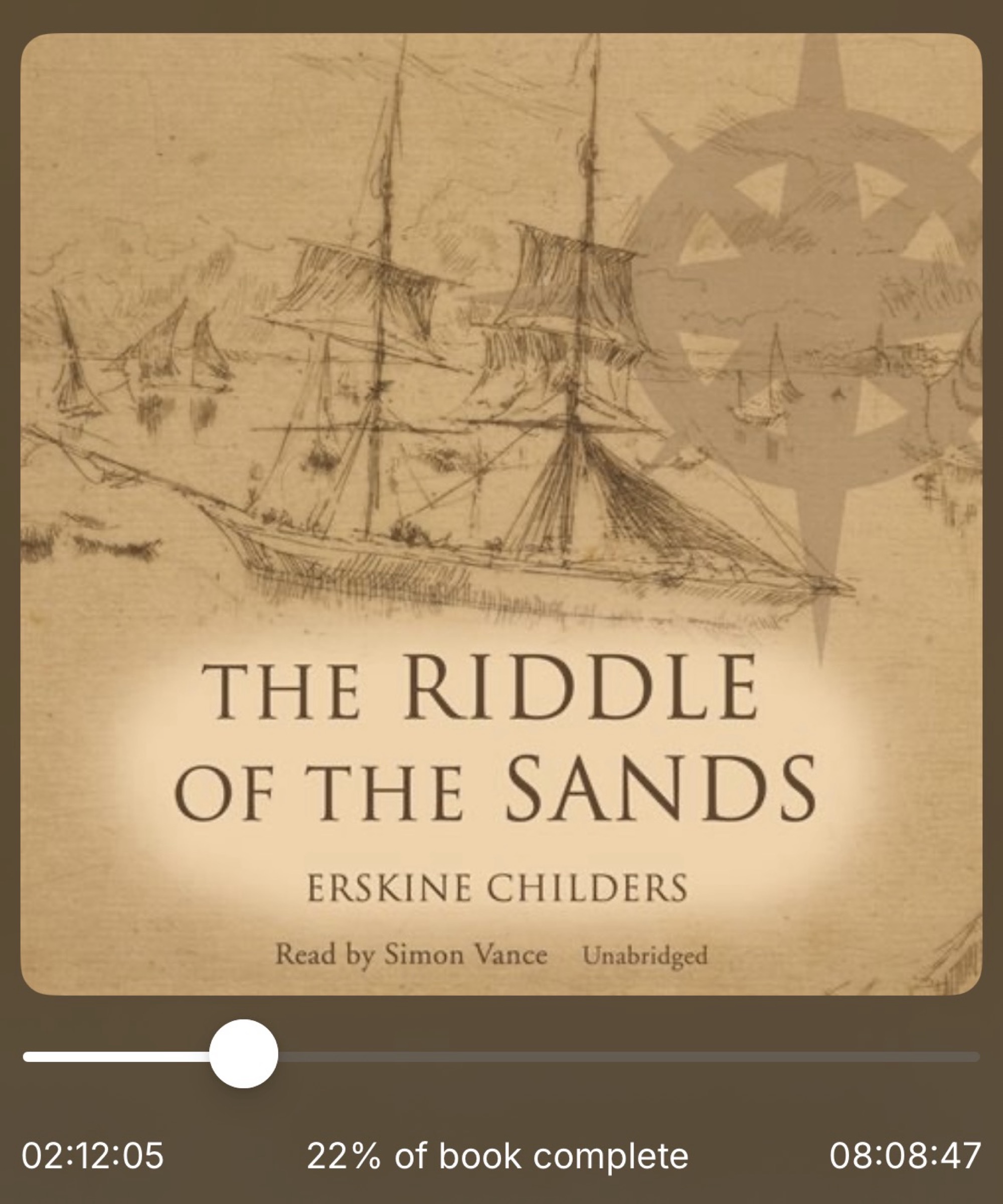
Started this the other day—supposed to be a forerunner of modern espionage/spy stories. Feels like the plot is only just beginning to appear, about a quarter of the way in. But it’s got a comfortable Sherlock-Holmesy Englishness to it, and I’m enjoying the dynamics between the main two guys on their increasingly mysterious, out-of-season sailing cruise.

Last night’s beer flight at Royal Oak Brewing. First time there. The “Chai Tea Mild” was pretty nice — overshadowed the rest with its pretty niceness.