Winds Howling

Fetching latest activity...

Abstract art as a Cold War psy-op, from “Aftermath” by Harald Jähner:

The insistence on figurative painting in the GDR made it easier for Western artists to present themselves as an aesthetic alternative and establish abstraction as the West’s trademark artistic style. Seen as the art of freedom, it acquired a charisma that was effectively a political statement, and was all the more convincing in that it did not have to explicitly present itself as such. It represented a playful celebration of being, which embodied pure vital energy, and was played out freely on large canvases. And because of the excessive application of paint, which was trowelled, trickled and applied in thick encrusted layers, abstract painting represented an extravagance which in a sense appealed to a higher form of affluence and continued to shape the post-war era almost as a kind of inner compulsion.

The American propaganda strategists recognised very quickly that art could be very useful in the promotion of democracy. Like the Soviets, they grasped the importance of painting for post-war nation building, but unlike them they found it harder to guide art in a suitable direction. For them, abstract art was a good aesthetic programme for the denazification of the imagination, but even better than that, it was well suited to standing up to the Soviets and giving West Germany an aesthetic identity of its own. By means of abstract painting the Americans were able to make “Socialist Realism look even more stylised, more rigid and confined than it actually was,” the American CIA agent Donald Jameson said. The Americans put a huge amount of energy into encouraging abstract art. They organised grants for young painters, financed exhibitions and bought paintings in large quantities. At the same time, private initiatives and state sponsorship went hand in hand. Often high-ranking military officers bought art and recommended individual artists to the various funding bodies.

[…]

“If that’s art, I’m a Hottentot,” President Truman had said in the Museum of Modern Art in New York in 1947, confident of the thunderous applause this statement would receive from the majority of Americans. That didn’t prevent his Cold War strategists from seeing that very same art as the best way of putting America effectively on the world stage. Certain that Congress would never authorise the funds required to export that art, the CIA turned abstract expressionism into a clandestine operation. So it was that artists who were mocked in the US Congress as heretical daubers were deployed by American foreign policy experts for aesthetic propaganda. Rothko, Pollock and Motherwell might have seen themselves as homeless radicals and lonely individualists at home, but abroad a concerted exhibition effort turned them into ideal representatives of America.

On smoking cigarettes in Germany after World War II:

German men scrambling in the dust for a few cigarette butts flicked away by occupying soldiers is one of the most vividly described post-war scenes. The image filled many with contempt, others with bitterness. So this was what the master race had come to. They enviously watched the casual smoking of the Allies. Young Germans clumsily copied their gestures. Special attention was paid to the moment of throwing the cigarette on the ground and stamping it out. No occupying soldier held the stub long enough for it to almost burn his fingers. They tossed away the cigarette butts with a heedlessness that simply couldn’t be copied. The German lads from the black market never quite managed that, but they did try to act, when smoking, as if they had enough cigarettes in the cellar to do them till the end of time. … Since cigarettes served as currency, the smoker was like a person burning banknotes. More than ever, smoking became a celebration of the moment, with which one triumphed over thoughts of the future. Women, too, wanted to have access to that feeling. The old right-wing saying “German women don’t smoke” was now once and for all a thing of the past.

From “Aftermath” by Harald Jähner.

Somebody finally got tired of their Valentine’s balloon

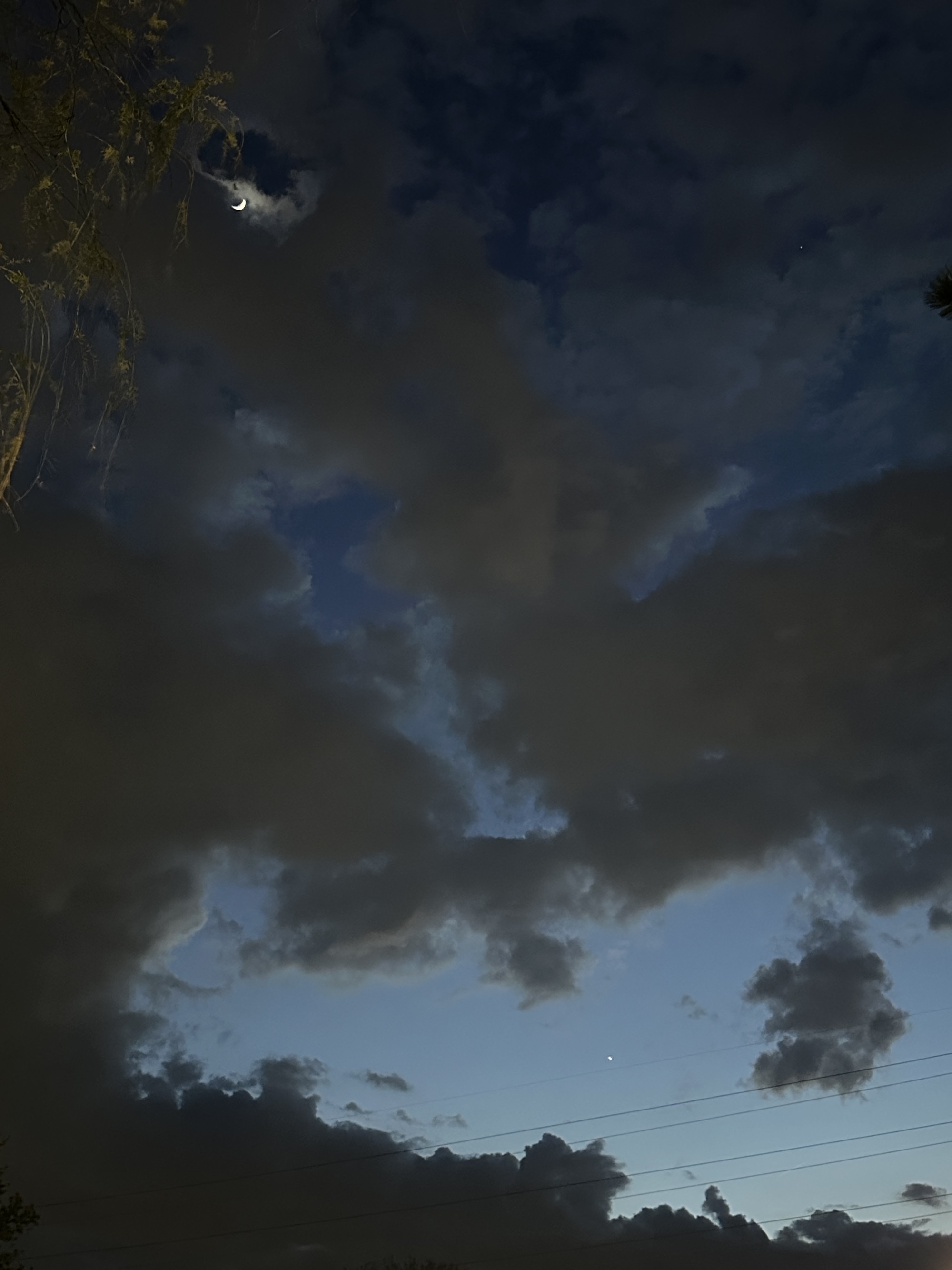
Tonight’s darkening sky from our patio

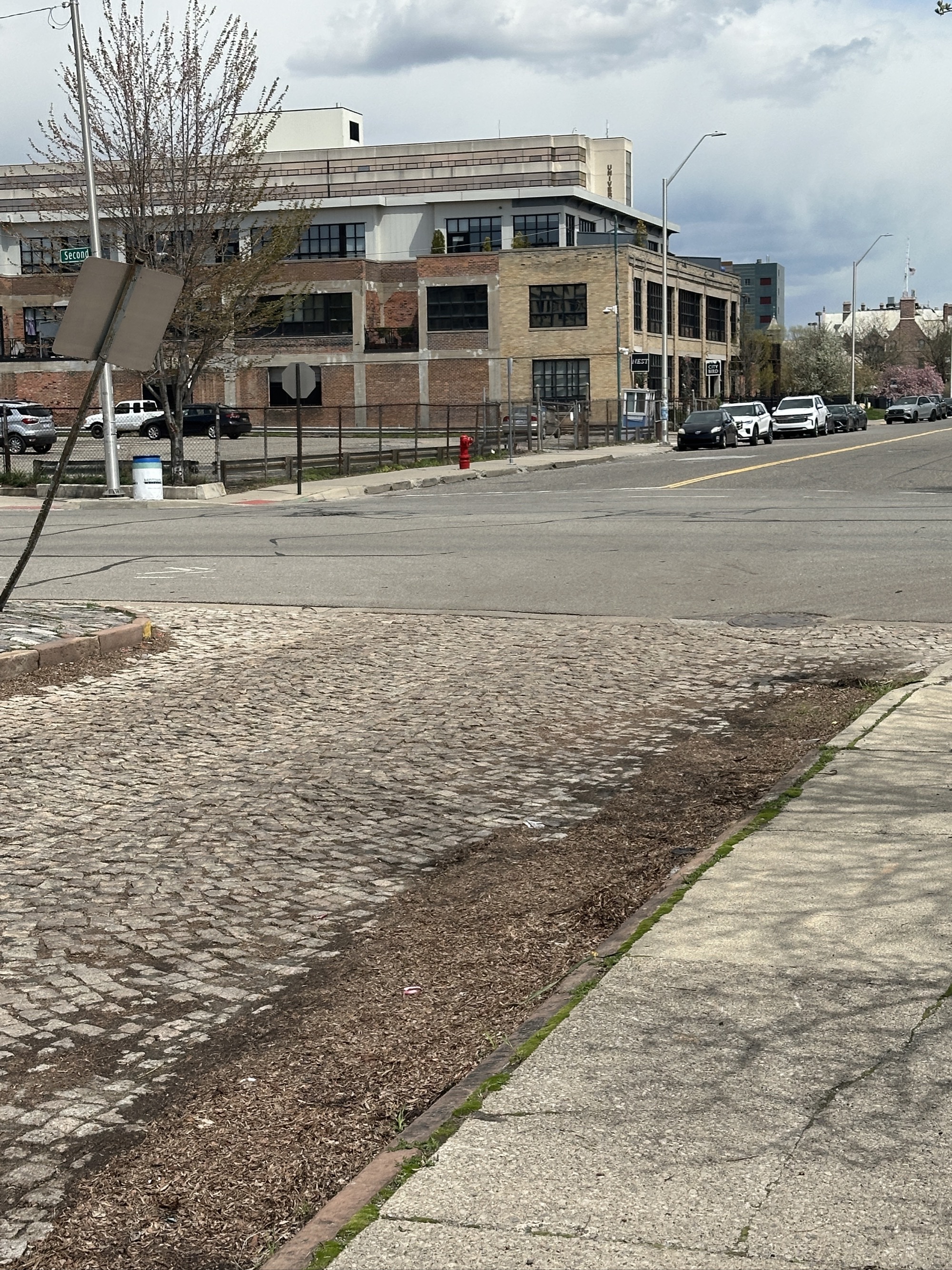
Where the cobbles of Detroit’s first historic district meets the 21st century pavement


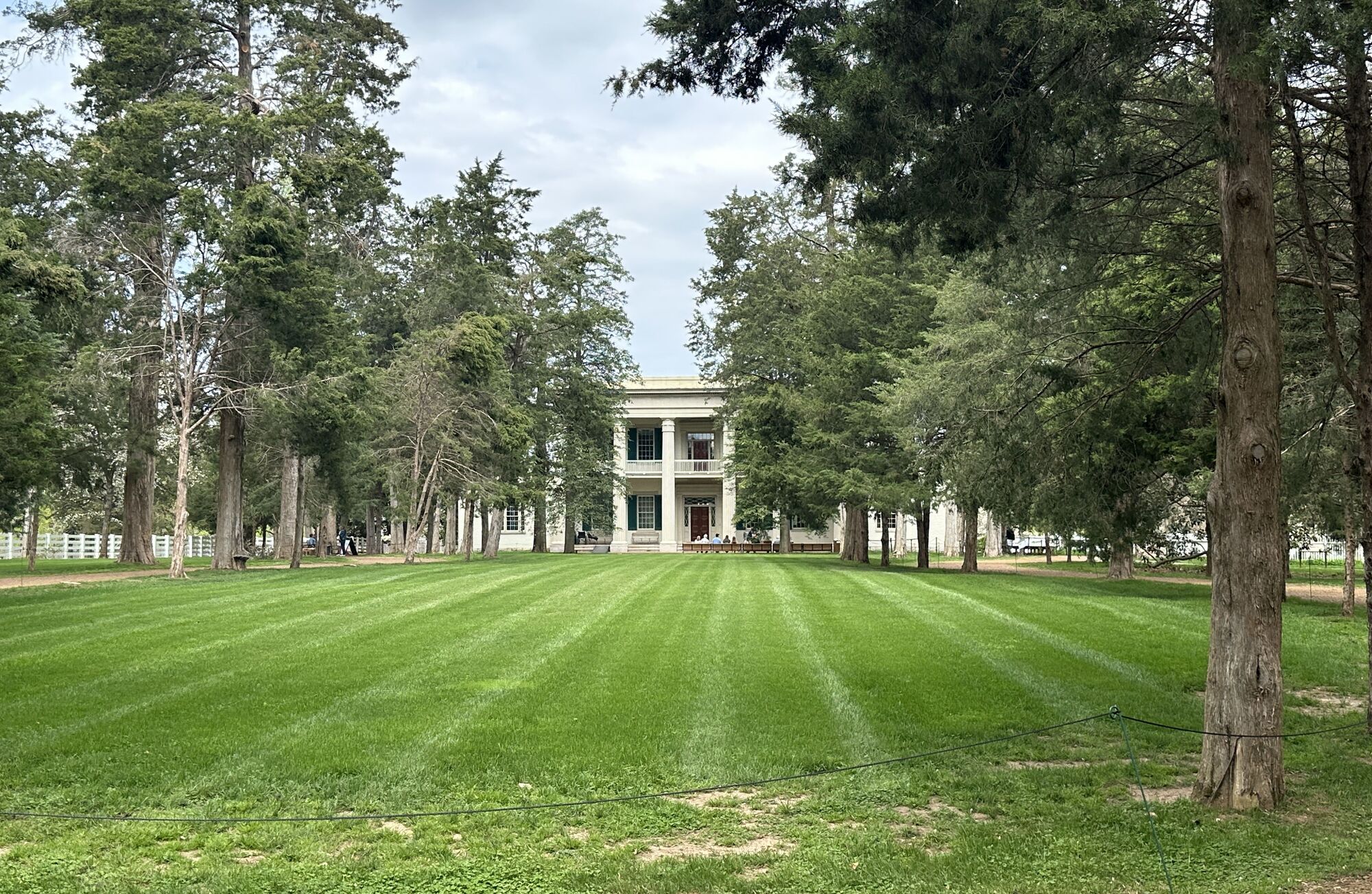
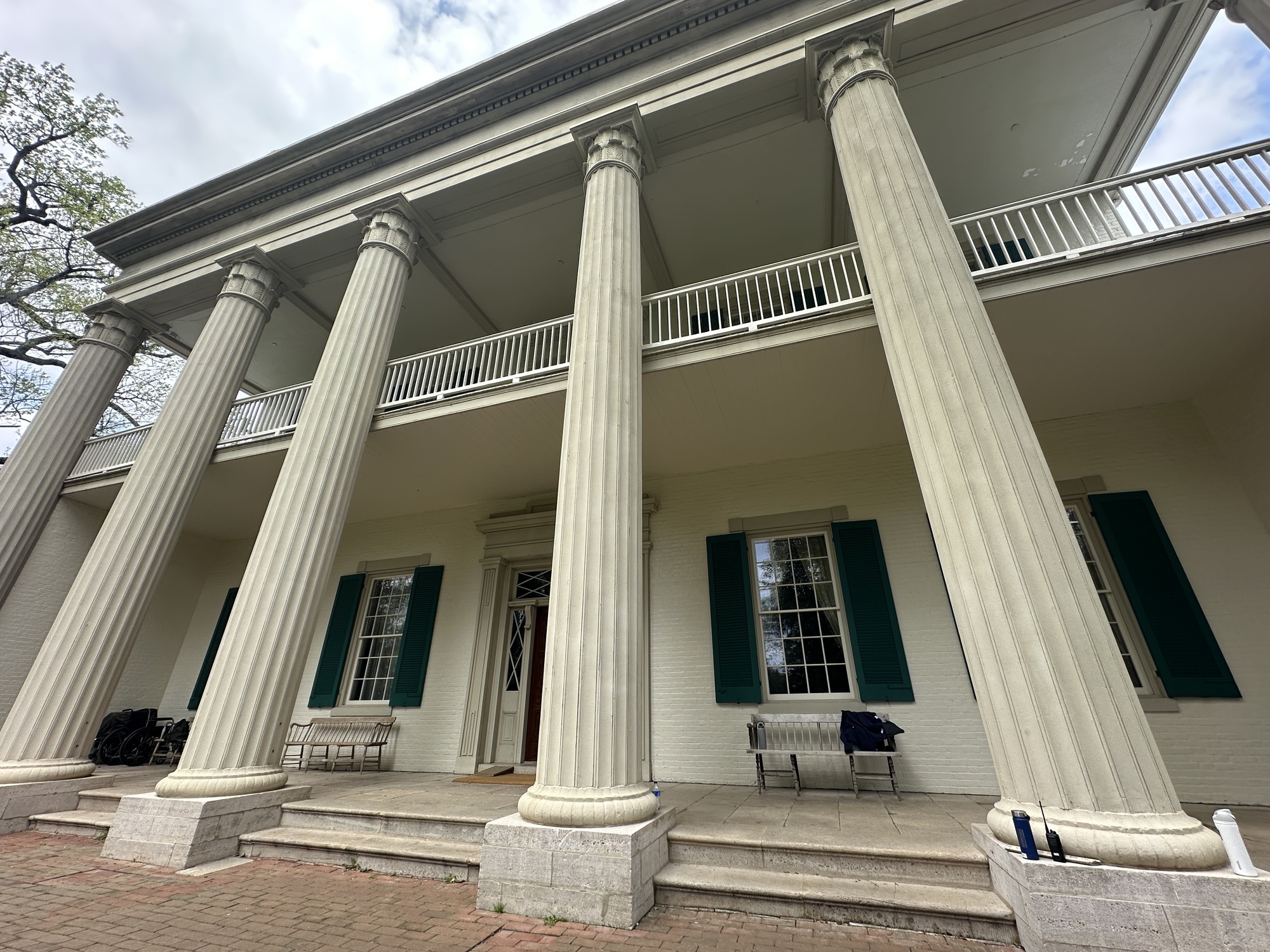
Andrew Jackson's mansion

#Travel #History #Presidential-Museums

On our recent trip to Nashville, one of the things on my “must do” list was to visit The Hermitage, the cotton plantation that Andrew Jackson, the seventh president of the United States, called home. It has Jackson’s well-preserved mansion, a museum about his life and career, a bunch of open land to amble around on and a few outbuildings to peek into. The Hermitage isn’t one of the official presidential libraries and museums currently administered by the federal government, but it’s effectively Jackson’s presidential museum.

The Hermitage spans a little over 1,000 acres and is a short drive east of downtown Nashville (or, as one sign on the property put it, “a four-hour carriage ride”). We got there at noon on a cloudy March 30 and spent about three hours walking the grounds. Here are some of the highlights.

Hermitage lawn

Hermitage porch

Read more →

Torch Bar in Flint, Michigan

Wrapped up William L. Shirer’s “Collapse of the Third Republic” today. Great book; not as riveting as “Rise and Fall of the Third Reich” but definitely illuminating. Probably won’t write a big post about it, but have a draft in the works about one section in particular.

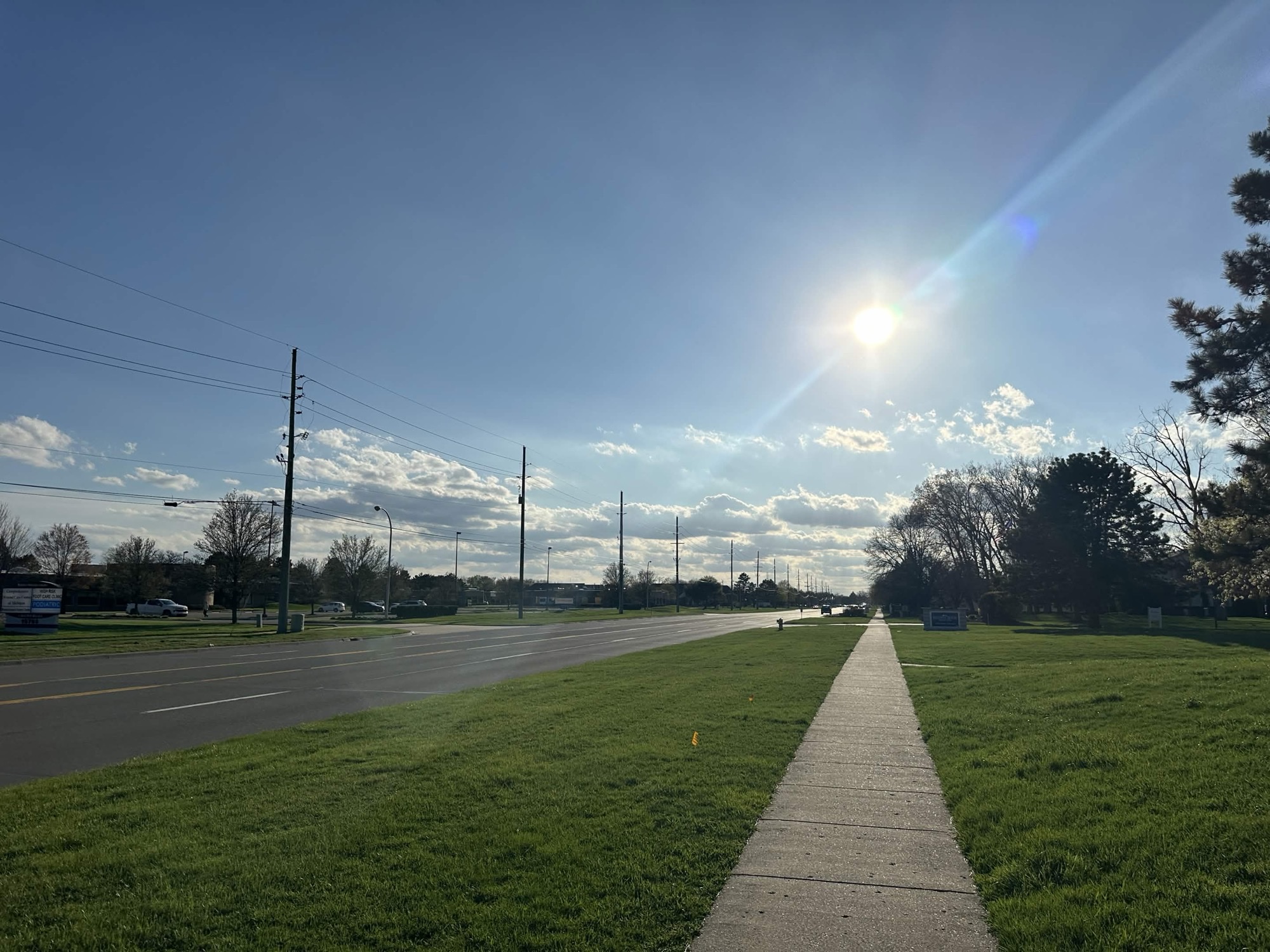
First day of the season around 80F. Trudged through suburban desolation and realized we need more trees. Not enough shade.