Yesterday I wrote about our visit to Ogemaw Springs, a 19th century boom town in northern Michigan that is today sufficiently minuscule for Google Maps to call it a “ghost town,” even though some people do still live there. Is it really a ghost town, though?
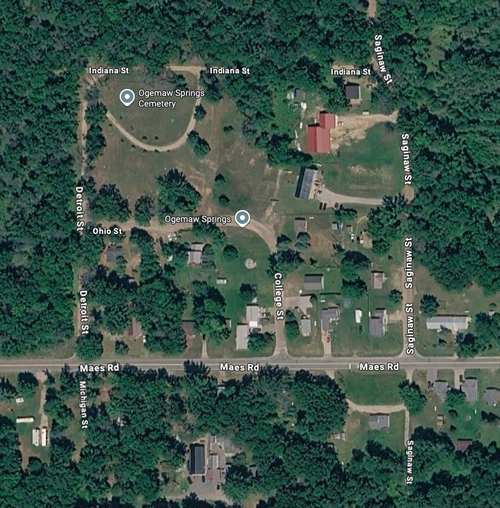
I’ve gotten in touch with Sherry Wagar and Udo Huff, who live in the village on land Sherry’s family has owned since the 1950s. They laughed when I asked about the “ghost town” label.
“It’s not a ghost village,” Sherry said.
“The church is gone, the post office is gone, the school is gone, the store is gone,” Udo said. “That kind of maybe encouraged some people to say it’s a ghost village now.”
Ogemaw Springs rose and fell with Michigan’s lumber industry, which boomed in the 1870s and was finished by 1900, having all but clear-cut the state. A local historical marker puts the population at 200 people in 1873, with “several saw mills, a post office and a grocery.” The village entered into “decline,” as the historical marker puts it, when the trees ran out and another town, West Branch, was selected as the county seat.
“When the lumbering died off, everybody either moved away from there or became farmers, and it wasn’t the best land for the farmers, either,” Sally Rea, curator of the Ogemaw County Historical Museum, told me, adding, “Now it’s just not much of anything.”
Sherry visited this area throughout her childhood, beginning in the 1950s, and described the changes she’s seen since then.
“It started out as mostly little cabins, little houses. A lot of folks used them as their getaways — their summer cabins and hunting cabins,” she said. “It used to be kind of a little retirement village, or used on the weekends and holidays. It’s developed now to have folks that live there all year round, more families with children.”
Sherry and Udo cautioned against overstating any growth, though.
“If you do a count of the houses of people permanently living out there, I think it’s not even 10 houses,” Udo said.
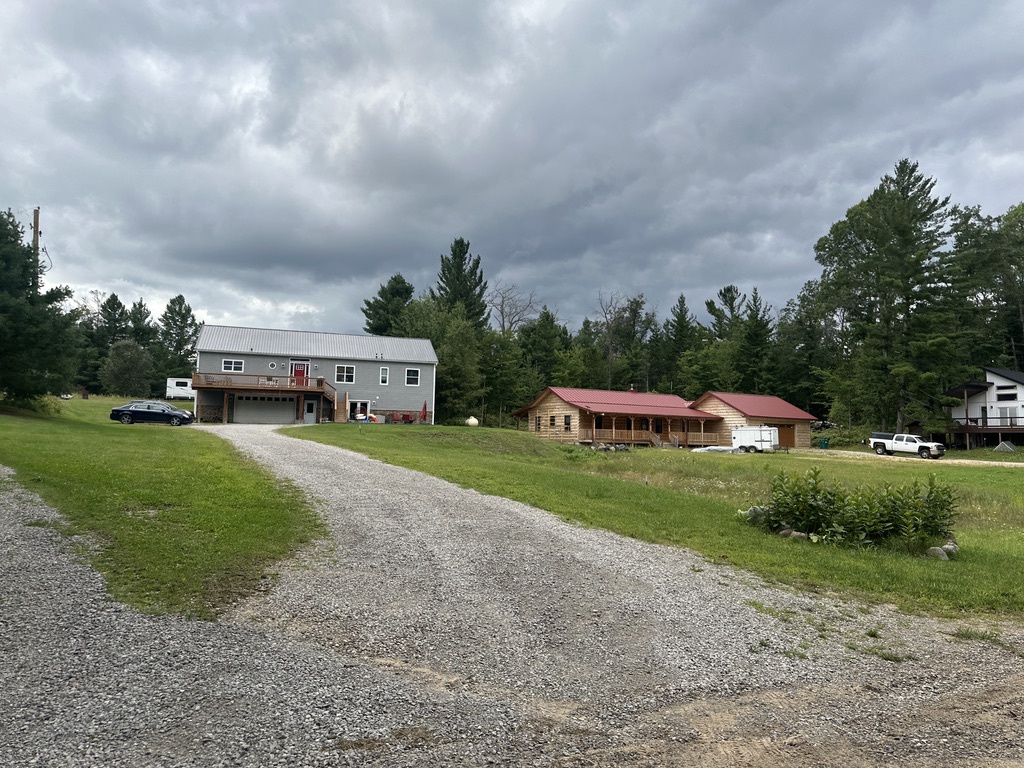
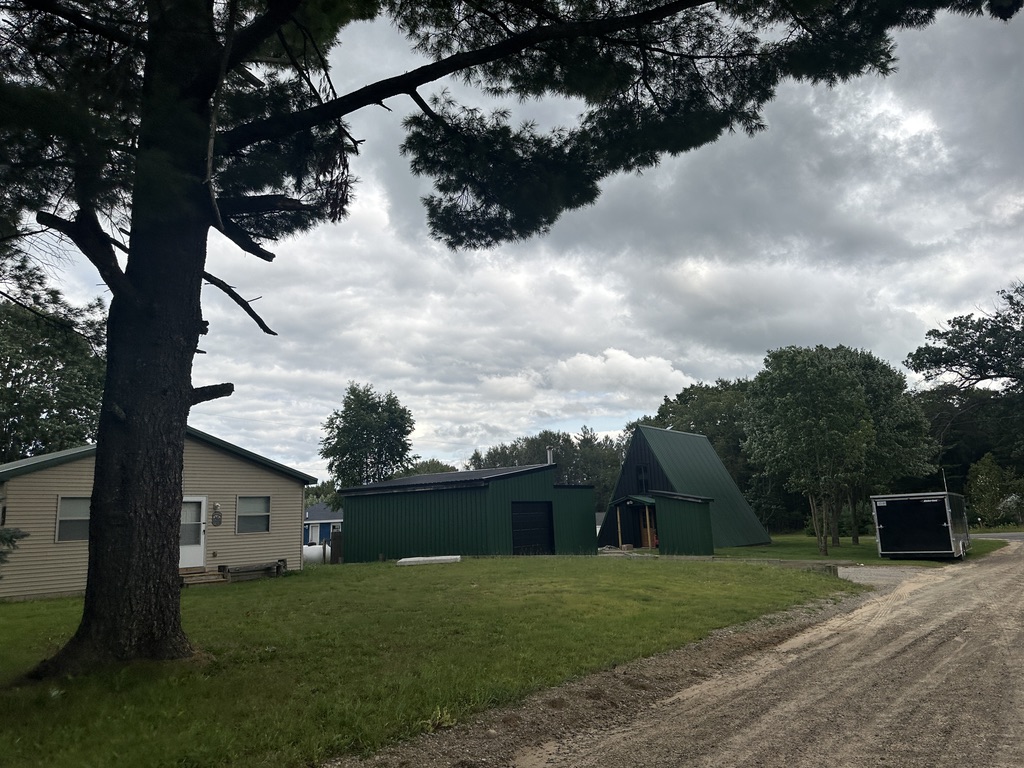
When I asked them what living in this so-called “ghost town” was like, Udo said: “Quiet. No light pollution. Bear and deer in the front and backyard.”
“And turkey,” Sherry added.
They still deal with their share of humanity, though. In this part of Michigan, the main recreational activity is blasting down forest trails on four-wheelers, side-by-sides and other little machines, and the woods around Ogemaw Springs are exactly where that kind of thing goes on.
“It was a very nice area for horseback riding 20 years ago because there weren’t all these side-by-sides,” Sherry said. “First it was the three-wheelers, and then it became the four-wheelers, and then it became the side-by-sides.”
Regular vehicle traffic can be a pest, too, Udo said.
“The speed limit is 25 miles per hour,” Udo said. “Some cars are driving 70 or 80 miles per hour through the village.”
Comments
Leave a comment