A recent xkcd comic about the deepest manmade holes in the world had me flying to Wikipedia to learn more about these holes.
I was delighted to learn that the deepest of them all, the Kola Superdeep Borehole SG-3, was a Soviet Union project specifically aimed at digging the deepest hole they physically could. After 19 years of digging, their third attempted hole reached a depth of 7.6 miles in 1989. Around this time, an urban legend emerged that Russian scientists somewhere out in Siberia had dug too deeply and broken through to Hell.
After briefly surviving the fall of the Soviet Union, the project ran out of funds and shut down in 1995. A documentary claiming to contain “almost the only known real footage of work going on” at the hole is available on YouTube from a fellow named David Smythe, who conducted research there shortly before its closure. He wrote about that research here, along with this summary of what scientists learned from the hole:
The hole yielded several new scientific results, not least that the Soviet picture of the crust, where granitic rocks give way to basaltic rocks at about 7 km, was proved to be wrong. The granitic rocks continue much deeper, as western scientists believed. There was also water in the crust, an unexpected discovery, and traces of former life in the form of microfossils at 6 km depth.
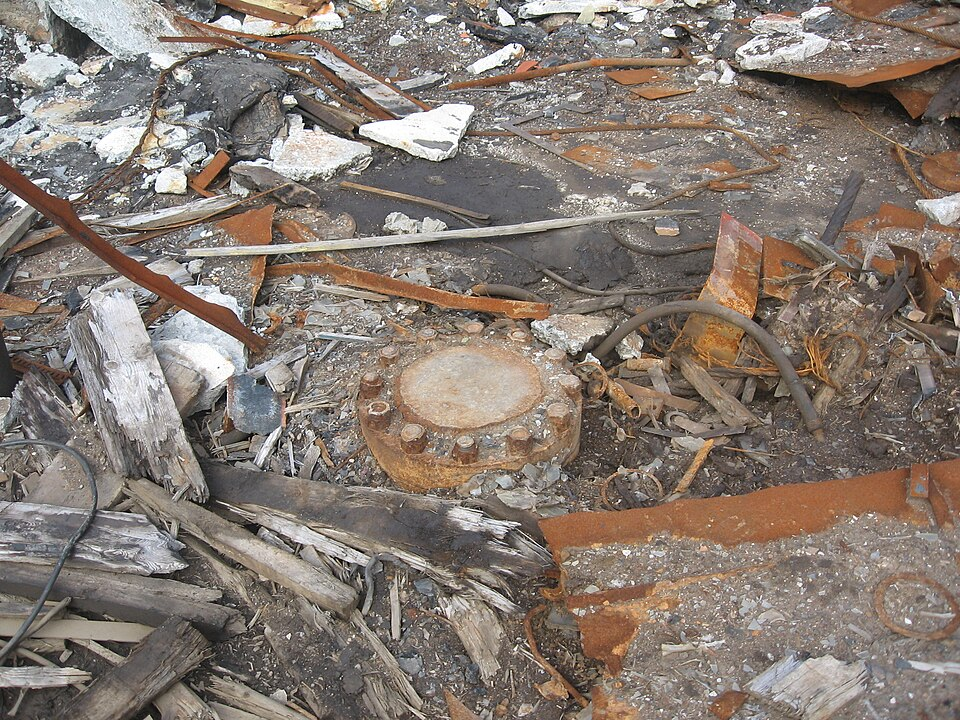
Today the structures around the hole seem to have been basically destroyed. The deepest manmade hole in the world, about 9 inches in diameter, is now covered by a rusty metal cap surrounded by similar-looking debris.
Comments
Leave a comment